[It’s been too long since I had a post, so here’s something with a bit of Christmas theme, cobbled together from my instagram and the closing lecture of my US survey course this year – DN]
A few years ago, visiting family for Christmas, I stretched my legs for a walk in Medford, MA. Over the course of a short hour, I encountered three sites, all with historic markers, that together neatly illustrate the ways New England is defined by slavery – and how New Englanders have defined Christmas for the rest of the United States.
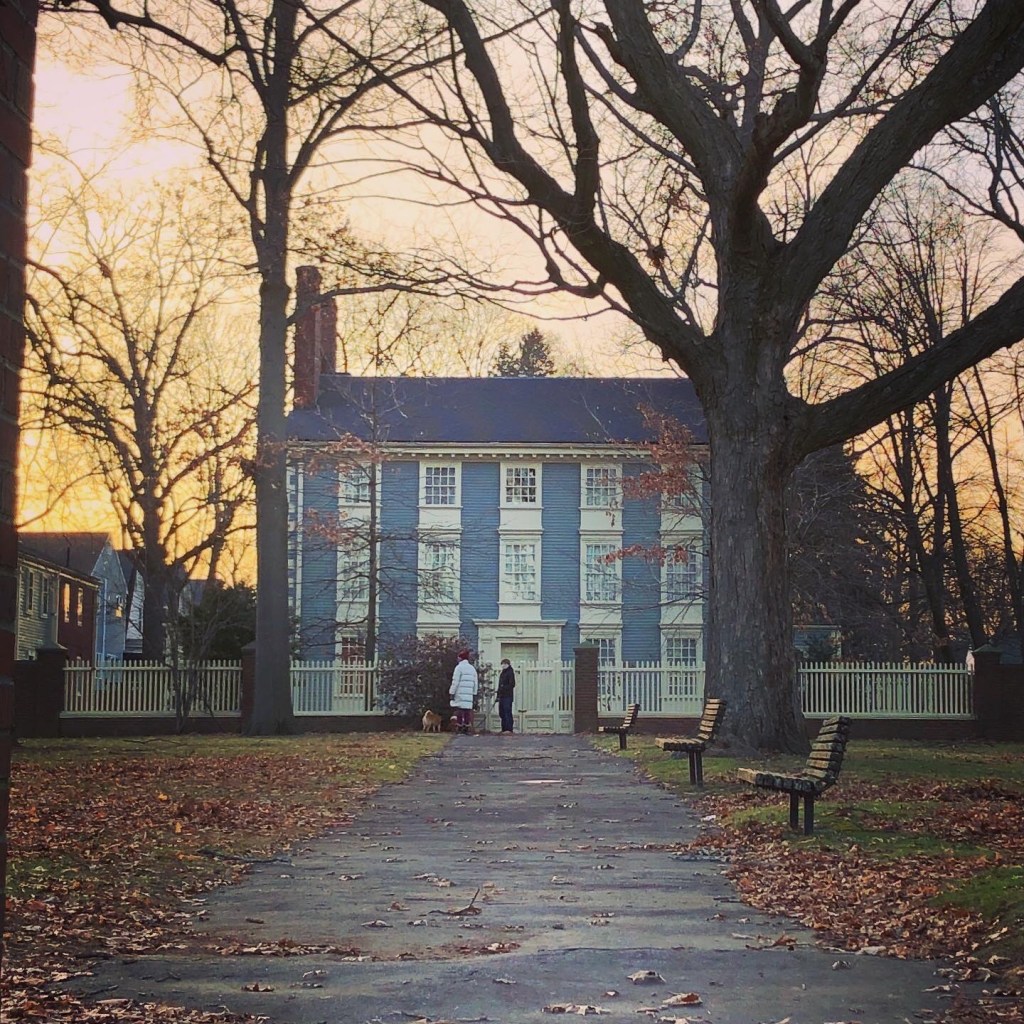
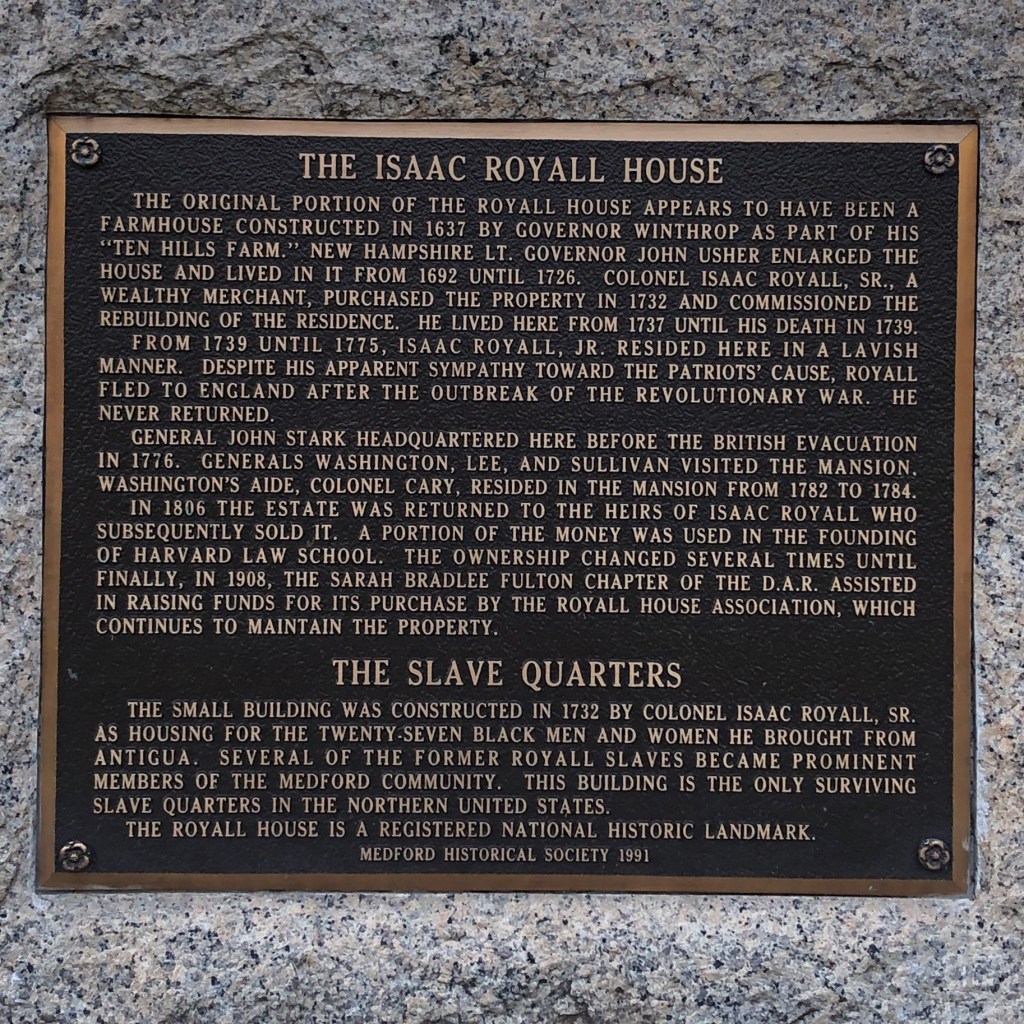
The first stop was Royall House, at the corner of George and Main Streets. An 18th-century estate built by a Massachusetts slave trader, rum distiller, and plantation owner, aka the unholy trinity of colonial New England business synergy. The building has long been known as a great example of local Georgian architecture – and thanks to a more recent interpretation, also of the central importance of enslavement and slave ownership to wealth among the colonial Massachusetts elite, too.
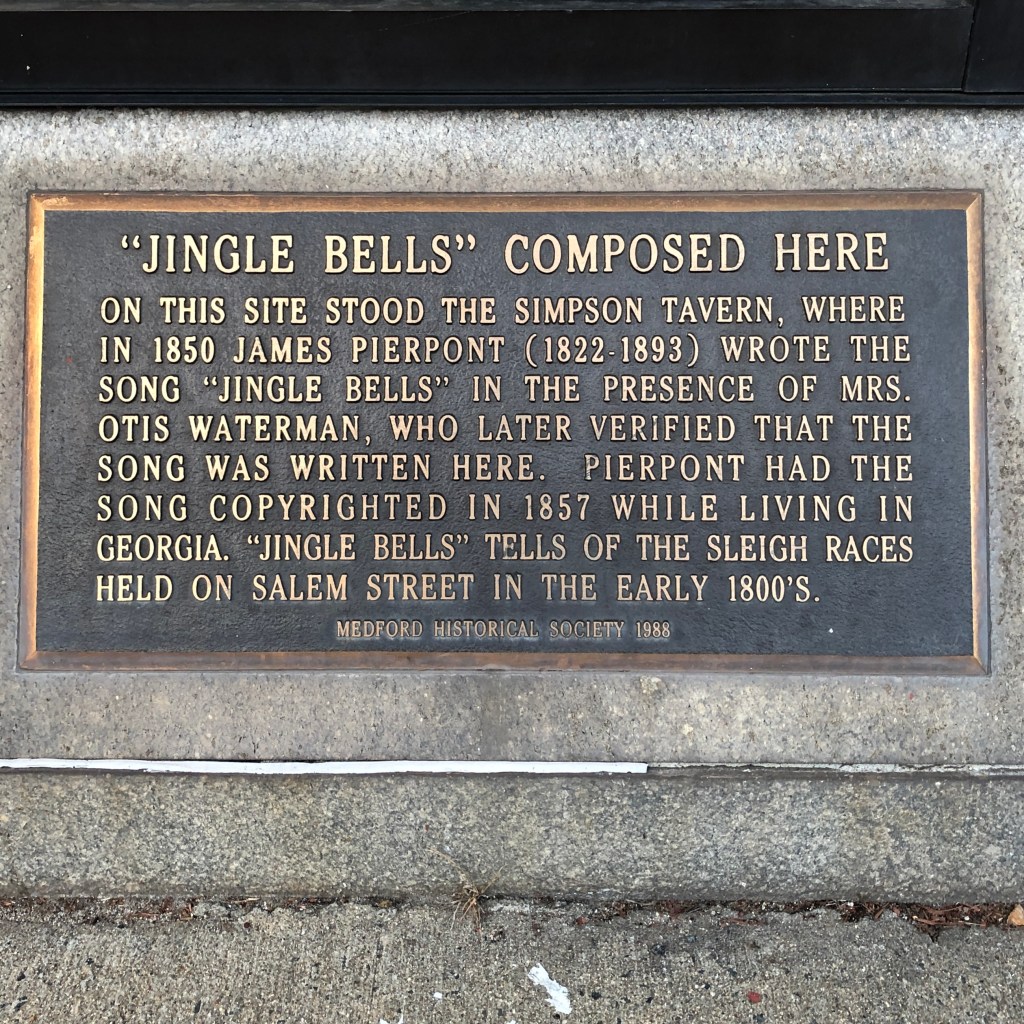
Next: Simpsons Tavern, on High Street.
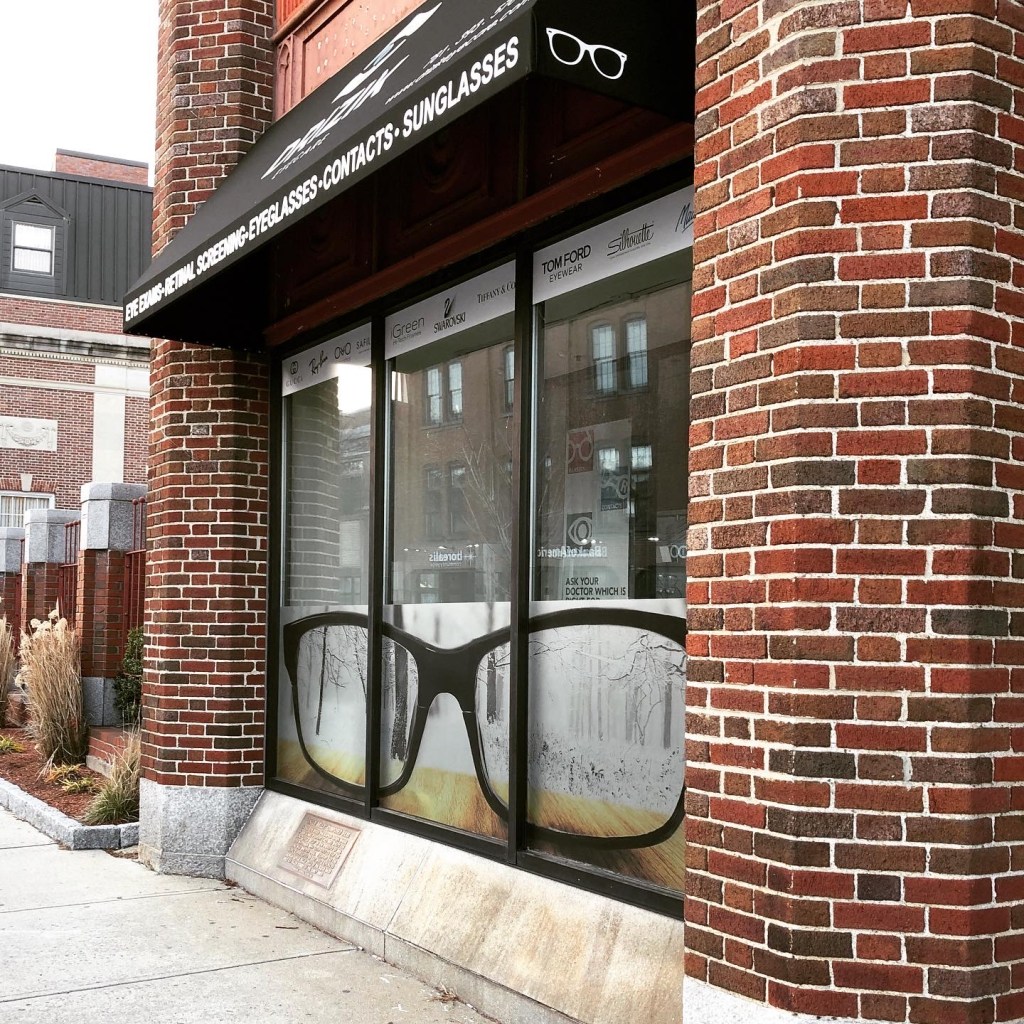
It claims to be the site of the composition of “One Horse Open Sleigh,” in 1850 – better known today as “Jingle Bells.” It dominates holiday music now, but in the 1850s it was generic piece, one of dozens of contemporary “sleighing songs” about taking sexy, fast rides with single, fun girls. James Lord Pierpont published it in 1857; after failing as a whaler, gold miner, and photographer, he found success in writing it and similar pieces for minstrelsy singers, who performed his compositions in blackface. The uncle of J.P. Morgan (yes, that J.P. Morgan) Pierpont later moved to Georgia to teach piano, joined the Confederate Army, and wrote shitty ditty’s for rebel traitors before dying in Florida.
And finally, one last house: 114 South Street. Just across the Mystic river from Simpsons Tavern, it was the home of Paul Curtis, Lydia Maria Child’s grandfather. Curtis was a shipbuilder, famous for clipper ships designed to make quick voyages in the tea and opium trade.
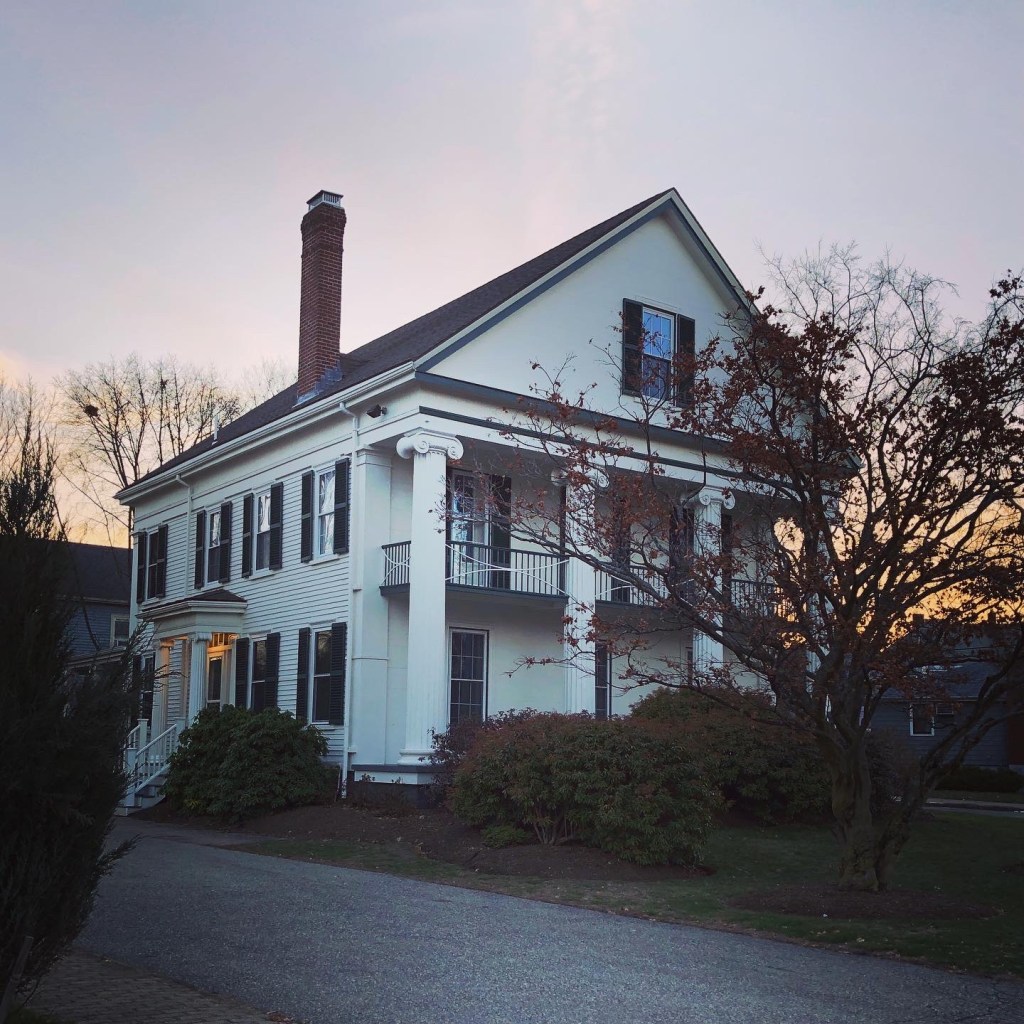
His granddaughter Lydia was much more important, and famous. An activist, editor, author, and publisher, she was a powerhouse in reform movements to promote women’s rights, arrest the U.S. government’s mistreatment of Native Americans, and end slavery. (Among other things, she was the editor of The Freedmen’s Book, a collection of works by and about freed people, which includes the best epistolary work in the English language, Jourdon Anderson’s letter to his former enslaver).
Child made her childhood journey to 114 South Street the subject of a poem, “The New-England Boy’s Song about Thanksgiving Day” – a composition better known now from its first line: “Over the river and through the woods, to grandfather’s house we go.” Much like Pierpont’s cheap song, Child’s short poem helped fix New England winter as the image for the Christmas season (and winter, generally) in American culture. Hallmark movies would look a lot different without the two of them (and Currier & Ives).
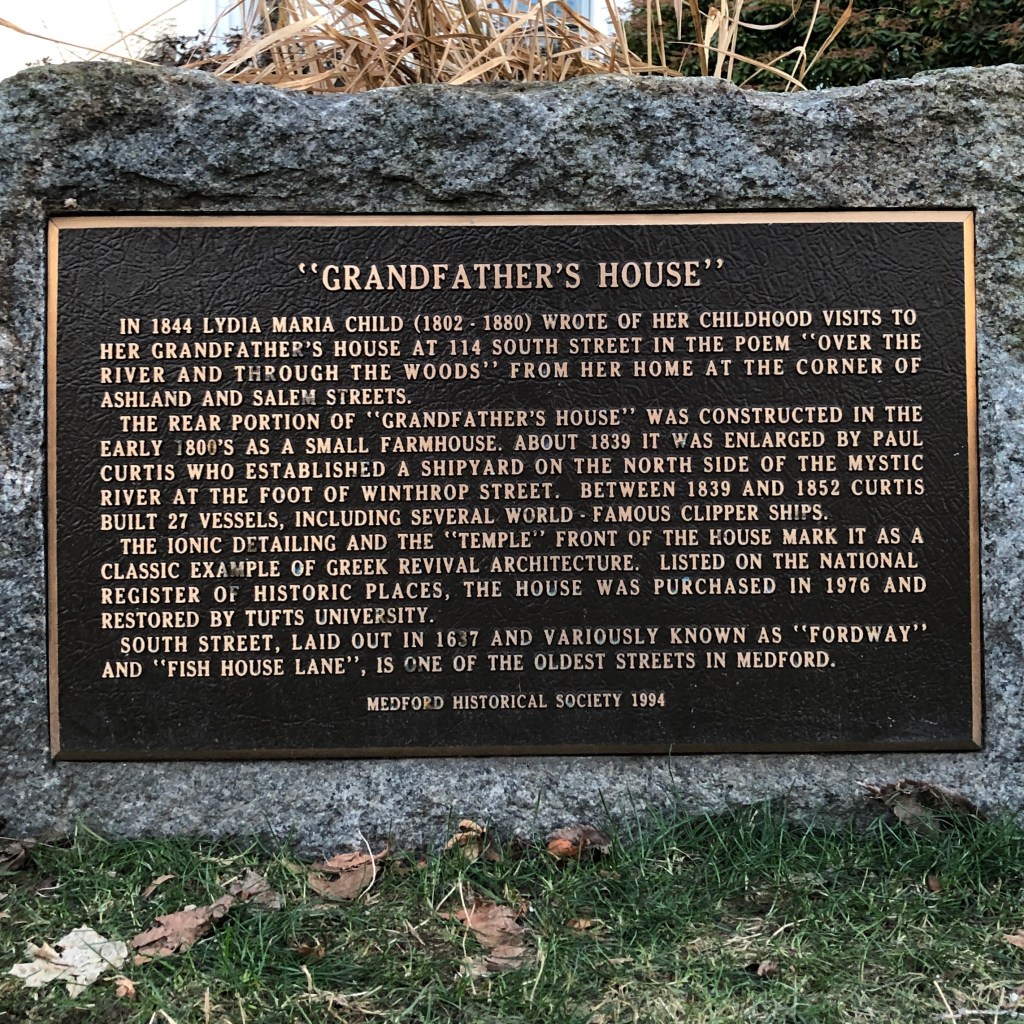
Elite enslaver, racist failson, and effective abolitionist. You can see the spaces of all their lives within the circuit of short winter walk.
Merry Christmas, Medfahd. Don’t forget your past.

 Dael A. Norwood
1 thought on “Christmas, Slavery, & Freedom in Medford”